

More Australian women than ever are considering egg freezing, and the conversation has shifted from whispered curiosity to open, informed decision making. Career ambitions, financial stability, and evolving life goals have seen many women in this generation choose to delay parenthood, and egg freezing has become an important tool for those who want to keep their options open.
Dr Victoria Nisenblat, a fertility specialist at FertilitySA powered by Genea, breaks down what women need to know before taking the first step.
Egg freezing, or oocyte cryopreservation, involves stimulating the ovaries with hormonal injections over approximately two weeks, followed by a minor surgical procedure under sedation to retrieve and freeze mature eggs. The eggs are stored and can be used in the future when a woman is ready to attempt pregnancy. Frozen eggs do not age, meaning the eggs retain the biological quality they had at the time of freezing.
Timing is one of the most important factors. Egg quality and quantity both decline with age, and the number of mature eggs needed to achieve a reasonable chance of a future live birth increases significantly as a woman gets older. For this reason, acting earlier generally leads to better outcomes, though every woman's situation is different and a personalised consultation is always the starting point.
Egg freezing is not just for women delaying parenthood by choice. It is also an important option for those facing medical treatment that may impact fertility, or those with conditions such as endometriosis that can affect egg reserve over time.
Interest in fertility preservation continues to grow, and having access to clear, expert information is the first step to making a confident decision.
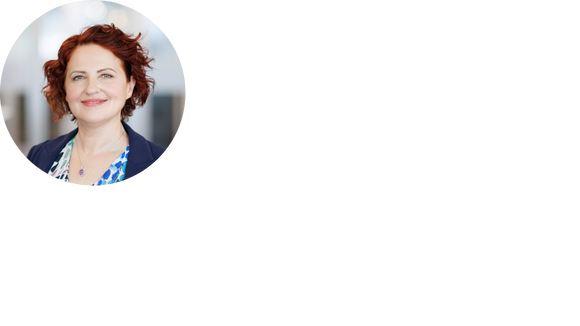
Dr Victoria Nisenblat
Dr Victoria Nisenblat is a CREI accredited Fertility Specialist, Obstetrician, Gynaecologist and Reproductive Surgeon. Victoria’s practice is diverse, and he sees patients with various problems, including recurrent miscarriage, male factor infertility, polycystic ovaries and premature ovarian failure. She has a particular interest in helping patients who consider egg or sperm donation and is a Director of Donor Services at Fertility SA.
.png "Genea logo")
.png)
