

Preparation & procedure for tests
A semen analysis is the most common test for which a few simple steps need to be undertaken before proceeding. Standard recommendations state that men should abstain from ejaculation, preferably 2–7 days before providing the sample. Avoid excess alcohol and illicit drugs for at least a few days prior, as they affect sperm quality. It is not always required to stop smoking or caffeine before a single test, but reducing both is strongly advised to improve fertility.
Recent fever or illness can temporarily impact sperm quality, and you may be asked to wait a few weeks before testing. These suggestions are also applicable for advanced testing, like DNA fragmentation tests.
Preparation for a male fertility blood test is very straightforward. You may require a morning appointment for testosterone tests, but your specialist will confirm the best time before testing. Fasting is typically not required.
Post tests results & next steps
Sperm count test results are recorded in the lab against World Health Organization reference values. A fertility specialist or GP interprets these results to see if they fall within the normal range. Blood tests are recorded as standard pathology reports, while genetic results are stored securely and may require genetic counselling if abnormal.
The timeframe to receive your results depends on the type of test that was conducted. A semen analysis usually takes 5–10 business days; blood test results take 1–3 days; and genetic testing can take 2–6 weeks, depending on complexity.
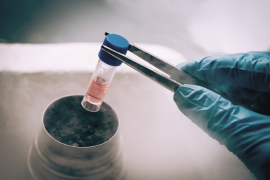
If tests return an abnormal semen result, your fertility specialist will recommend a personalised plan of action. For example, they may request further investigations, lifestyle changes, medication, or assisted reproduction treatment. Sperm preservation may be offered if fertility is declining or to preserve reproductive options.

FAQs
How much do male fertility tests cost?
Your total male fertility test cost in Australia will depend on the specific tests required and your personal circumstances. Medicare rebates cover most male fertility testing, with the exception of fructose tests in case of azoospermia diagnosis. Additional expenses, such as day surgery fees or specialist consultation fees, are not included in these rebates. For a detailed breakdown of test fees, we invite you to our complete list of treatment costs.



.png "Genea logo")
.png)
