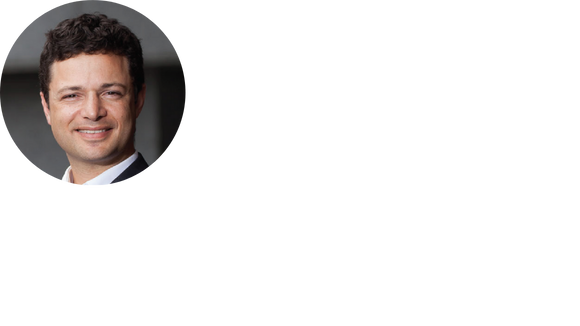

Episode 8 - When should GPs refer for a surgical assessment? - A/Prof Lionel Reyftmann
Fertility surgery: when to consider specialist assessment
With advances in IVF and other assisted reproductive treatments, patients may wonder whether surgery still has a place in fertility care. For some, an operation may address a condition affecting conception or pregnancy. For others, surgery may add risk or delay without being the most appropriate next step. The decision depends on the condition, the patient's symptoms and their wider reproductive goals.
In this episode of Fertility in General Practice, host Dr Ali Hodgkinson is joined by A/Prof Lionel Reyftmann, a gynaecologist, fertility specialist and laparoscopic surgeon. Their conversation explores where reproductive surgery fits alongside medical treatment and IVF, and how GPs can help patients reach the right specialist for an informed assessment.
Start with the whole fertility picture
A pelvic ultrasound may identify a fibroid, polyp, ovarian cyst or other finding that needs further consideration. However, an imaging result alone does not determine whether surgery is needed. The patient's age, symptoms, fertility history, ovarian reserve and preferences all help shape the discussion.
A/Prof Reyftmann explains why the person assessing a possible operation should understand both surgery and fertility treatment. The aim is to consider the effect of a procedure on the patient's overall prospects, rather than treating an anatomical finding in isolation. Sometimes the most useful outcome of a surgical assessment is a decision to take another path.
Tubal disease and the uterine cavity
The episode considers hydrosalpinx, where a fallopian tube is blocked and filled with fluid. Even when IVF bypasses the tubes, this condition can remain relevant to treatment planning. A specialist can assess whether addressing the affected tube should form part of preparation for IVF.
The conversation also covers intrauterine adhesions, sometimes referred to as Asherman syndrome. Scar tissue within the uterine cavity can affect menstruation and fertility. Assessment and treatment can be complex, and restoring the shape of the cavity does not necessarily answer every question about the endometrium or a future pregnancy. Patients need realistic explanations, appropriate follow-up and a plan that accounts for these uncertainties.
Endometriosis: balancing symptoms and fertility goals
Endometriosis is another area where the best next step is individual. A patient with significant pain and suspected endometriosis may have different priorities from someone with few symptoms who is seeking fertility treatment later in their reproductive years.
A/Prof Reyftmann discusses the balance between operating and moving directly to assisted reproduction. In particular, surgery involving an ovarian endometrioma needs careful consideration because the procedure may affect ovarian reserve. GPs can help by documenting symptoms, previous operations, investigation results and the patient's intended timing for pregnancy before referral.
Understanding fertiloscopy and robotic surgery
The episode introduces fertiloscopy, a minimally invasive technique that allows assessment of the pelvis through the vagina without abdominal incisions. A/Prof Reyftmann explains how it provides a different view of the tubes and ovaries, and where it may be useful. It is not a replacement for every laparoscopic procedure, and its suitability depends on what needs to be investigated or treated.
Robotic surgery is also discussed. The robot does not operate independently; the surgeon controls the instruments. The conversation focuses on how technology can assist particular tasks while keeping attention on the operation itself, the evidence and the patient's needs. A newer technique is not automatically the right choice for every patient.
Making a useful referral
For a GP, the central question is not simply whether a patient needs surgery. It is whether they would benefit from an assessment that considers surgical and non-surgical options together. Useful referral information includes the presenting problem, imaging findings, previous pelvic or uterine procedures, fertility investigations and the patient's main concerns.
Discussing these concerns early can help patients understand why a surgical opinion is being sought. A referral is an opportunity to explore options, benefits and risks, not a commitment to proceed with an operation.
Listen to the episode
Listen to A/Prof Lionel Reyftmann and Dr Ali Hodgkinson discuss reproductive surgery, the changing role of technology and the importance of selecting treatment around the individual. The episode offers GPs a practical way to think about referral when fertility goals and surgical decisions overlap.
About A/Prof Lionel Reyftmann
A/Prof Lionel Reyftmann is a gynaecologist, fertility specialist and laparoscopic surgeon practising in the Illawarra. His work combines medical and lifestyle management, reproductive surgery and assisted reproductive technologies. He provides hysteroscopic surgery, including management of intrauterine adhesions, and helped introduce fertiloscopy in Australia. He trained in France before moving to Australia and has clinical and academic experience in reproductive medicine and minimally invasive surgery.