

The donor treatment journey is different for everyone as you build your family with donor eggs or sperm. At Genea, we understand that donor conception is a significant life decision, and people come to it with a range of feelings - from excitement and empowerment to questions and uncertainty. Whatever your experience, we're here to support you.
Addressing emotional wellbeing alongside physical treatment is important. Our emotional support framework integrates qualified fertility counsellors as part of your care team, with expertise in reproductive psychology and fertility considerations.
We recognise that addressing emotional health alongside physical treatment isn't simply beneficial, it's essential for optimal outcomes.
Understanding the emotional journey
The emotional impact of fertility and donor treatment
Your emotional experience with donor treatment is deeply personal and varies depending on your unique circumstances and path to parenthood.
Many people approach donor conception with excitement, hope, and anticipation, viewing it as an empowering step towards building their family. For same-sex couples, this is often the primary pathway to parenthood, and the journey is characterised by the joy of taking positive steps forward together. Solo parents frequently feel empowered by actively choosing to start their family and taking control of their reproductive future.
For some, the journey also involves processing feelings of loss or grief. Some couples who experience infertility often work through emotions around not being able to conceive using their own genetic material. Some solo parents may experience grief around not having found a partner and coming to terms with a different path than initially envisaged. Professional support can help you process these feelings, whether individually or together with your partner (if applicable).
It's important to know that all these experiences are entirely valid. You may find yourself experiencing a mixture of emotions - both excitement and uncertainty, hope and questions - and these feelings may shift at different stages of your journey. Whatever your experience, support is available.
If you're working through the emotions of coming to terms with donor conception, download our guide to the emotional journey of using donor eggs or donor sperm.
Professional counselling services
Our experienced counselling team
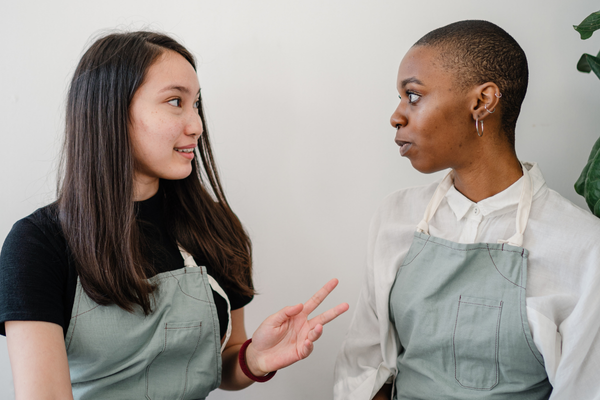
At Genea, our fertility counsellors are integral members of your treatment team, bringing tertiary qualifications in psychology or social work along with specialist knowledge of fertility issues. We believe that talking with a counsellor can be a helpful component of fertility care that addresses the profound emotional and social impact fertility treatment can have on individuals, relationships, and families.
Our counsellors collaborate closely with your fertility specialists, nurses, and other team members to provide coordinated support. This integration means your emotional wellbeing is considered alongside your medical treatment.
Specialised donor counselling
Donor-assisted conception represents a significant decision with lifelong implications for all parties involved. Our counsellors provide comprehensive support to help you explore the complex implications of these important decisions.
For clinic-recruited donor recipients: Explores feelings about using donor eggs or sperm, individual and couples counselling addresses uncertainty about treatment decisions, and provides support for planning age-appropriate disclosure to donor-conceived children.
For known donor arrangements: Individual counselling sessions for both known donors and recipients with their partners (if applicable) discusses the unique considerations of treatment with known donor gametes; joint counselling sessions brings all parties together to navigate these complexities together. Please note that there is a mandatory 3-month quarantine required for sperm donation across all states, and in Western Australia, there are mandatory 6-month cooling-off periods before treatment can proceed.
Emotional preparation
Preparing for donor treatment
Preparing for donor treatment involves considering various factors - from genetic connection and donor selection to long-term family implications and disclosure planning. Professional support can be helpful as you work through these considerations.
Processing feelings about using donor eggs or sperm: Growing your family through donor conception can evoke different emotions for different people. For some, it's an exciting and empowering step towards parenthood. For others, it may involve processing feelings of loss or grief alongside hope for the future. Many people experience a mixture of emotions - anticipation, nervousness, relief, or uncertainty - and all these responses are completely normal. Our counsellors provide a supportive space to explore whatever feelings arise for you.
Involving partners in decision-making: If you're undergoing fertility treatment with a partner, it is important to be on the same page in relation to selection, future communication, disclosure, expectations particularly with a known donor.
Managing expectations: It's one thing to have preferences for donor characteristics but another to find a suitable match. Consider asking trusted support people for perspective on your selection criteria. For comprehensive guidance on navigating donor selection, see our complete guides for choosing an egg donor or choosing a sperm donor. There may be limited options available, you may not find the ideal donor, and treatment doesn't guarantee a baby - setting realistic expectations helps you navigate the journey ahead.

Cultural and inclusive family considerations
Culturally sensitive support
Genea recognises the importance of cultural and religious considerations in donor treatment, and we strive to provide culturally sensitive emotional support services. This includes respect for diverse cultural backgrounds and values, understanding of religious perspectives on donor treatment, culturally appropriate counselling services, and integration of cultural values into treatment planning.
Resources and support networks
Peer support and community connections
Recommended support resources:
- Australian Solo Mothers by Choice - Facebook group supporting individuals considering or pursuing children through donor conception
- Paths to Parent Hub - UK-based resource with webinars, live chats, courses, podcasts, and support groups for parents of donor-conceived children
- Rainbow Families - Not-for-profit organisation advocating for LGBTQIA+ parents, providing support and connection
- Raising Children Network - LGBTQIA+ families - Government-supported parenting website with extensive support group listings

FAQs
Supporting children throughout development
Age-appropriate disclosure
Supporting donor-conceived children requires ongoing commitment to honest communication, emotional validation, and professional guidance when needed. Children's understanding of their conception and curiosity about their donor evolve as they mature.
Download our 'Supporting your donor-conceived child' resource for age-appropriate guidance for talking about donor conception, supporting your child's emotions, and preparing for potential donor contact.
Preparing for potential contact
As donor-conceived children approach adulthood, families may need emotional support for potential contact scenarios. Contact preparation includes emotional preparation for all family members, understanding legal rights and contact processes, managing expectations about potential outcomes, and ongoing support for developing relationships.
.png "Genea logo")
.png)
