

Introduction
Achieving a successful pregnancy in the past is unfortunately not a guarantee you will always be able to conceive again. Secondary infertility can come as a surprise to some couples who might have been able to fall pregnant without any issues previously, but it’s more common than you might think.
Many couples suffering from secondary infertility experience the same emotional symptoms as those suffering from primary infertility. They can become stressed and frustrated by the situation they find themselves in. Some also feel guilty they can’t provide a sibling for their child.
Fortunately, there are many ways our experienced team can help you achieve your goal of growing your family.
Causes
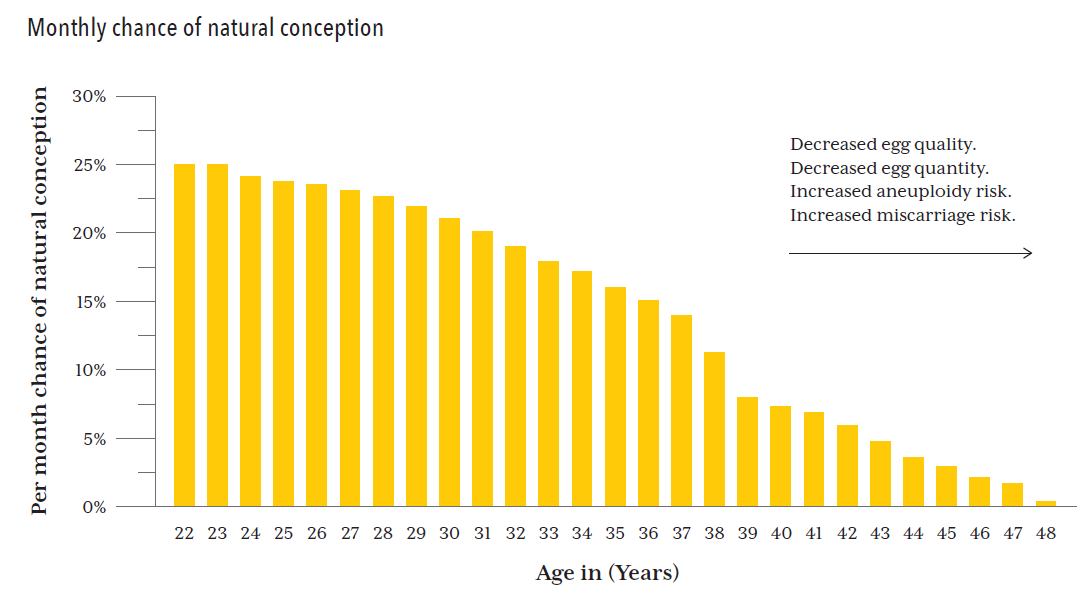
The main cause of secondary infertility is age. By the time some women decide to try to conceive their second, third or fourth baby, they are at least a few years older than when they started their family. For women in their mid-30s and beyond, this age difference could mean their chance of conceiving is significantly decreased.
The everyday stress of parenting can also contribute to secondary infertility. Altered self-image mixed with time pressures and sleep deprivation is a potent combination that can particularly impact the level of intimacy in a relationship. Regular sex is crucial for pregnancy – but finding the time and the energy can be difficult for couples coping with the challenge of bringing up young children.
The pressures of parenting can also lead to a poor diet and lack of exercise, and these in turn can be key factors in secondary infertility. Being overweight affects both a woman’s ovulation and the quality of the man’s sperm – but losing some of this weight and making healthy lifestyle choices can have a huge impact on boosting secondary fertility levels.

FAQs
Getting help
Genea’s Fertility Specialists frequently work with couples experiencing secondary infertility and are experienced in this area. So please get in touch to book an appointment or book a Bulk-Billed Fertility Assessment with our Fertility GP*.
* Applicable for Medicare eligible patients. No-out-of-pocket Fertility Assessment is for an initial virtual consultation with our Fertility GP. Additional costs may be incurred for fertility investigations




.png "Genea logo")
.png)
