

In our previous blog post about ovulation and the fertile window, we explored how irregular, frequent, or infrequent periods can impact your ability to conceive and might signal an underlying issue. In this blog post, Dr Simon Nothman dives deeper into this topic and provides insights on how menstrual cycles and ovulation impact fertility.
Menstrual cycles and ovulation
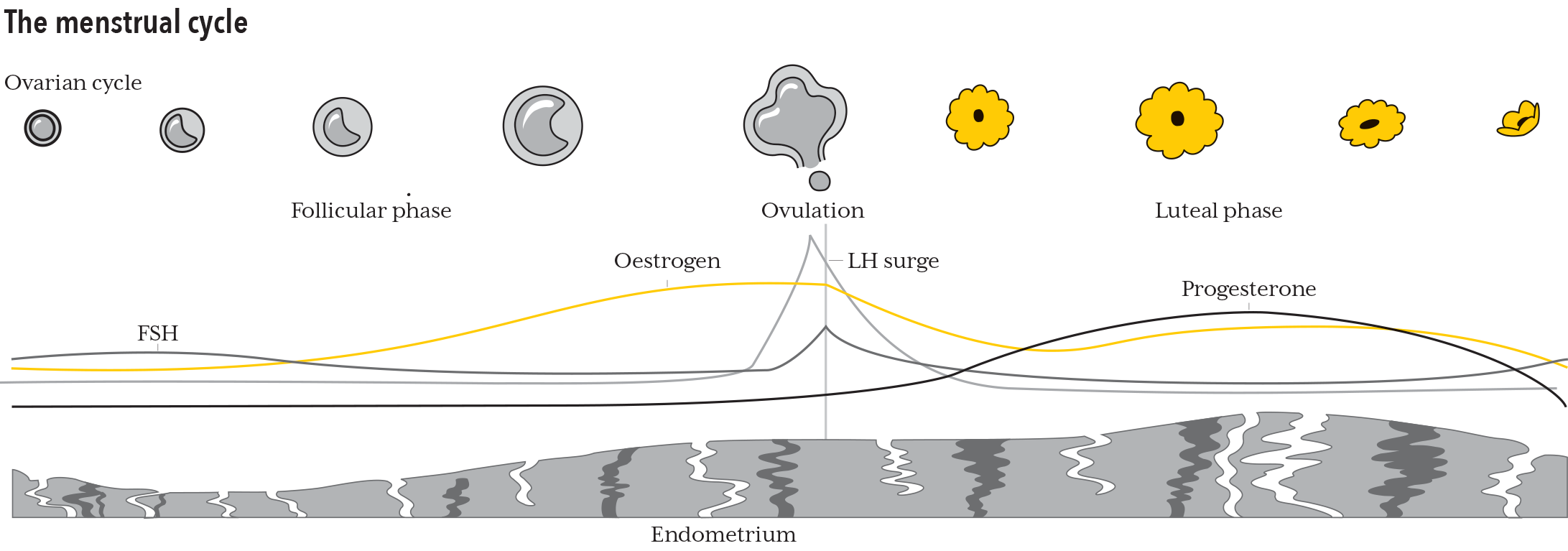
Your menstrual period or period, typically occurs about two weeks after ovulation, suggesting that regular periods indicate regular ovulation. Most sources suggest a "normal" menstrual cycle lasts between 21 to 35 days, though some argue that 24 days might be a more accurate lower limit — a point we'll discuss further.
What are the implications of irregular periods and underlying conditions?
Periods longer than 35 days tend to be less orderly and more erratic, both in terms of frequency and the quantity of blood lost. These irregularities can be due to various hormonal problems such as polycystic ovary syndrome (PCOS), thyroid disease, and the menopausal transition. PCOS being a condition where hormonal imbalances lead to ovarian cysts and irregular periods, and menstrual transition being the period leading up to menopause characterised by hormonal fluctuations. Each condition has distinct risks and potential complications and should not be self-diagnosed. Periods beyond 35 days require proper assessment by a GP or, preferably, a fertility doctor, regardless of whether you’re considering pregnancy, due to the broader health implications and risks, not only fertility.
How do infrequent periods affect fertility?
Infrequent periods also affect fertility. Since menstrual frequency reflects ovulation, someone with a period every 35 days or longer would ovulate 10 or fewer times per year, compared to the average of 12 times. This reduces the likelihood of egg and sperm meeting and creating a new embryo. For someone with a period every 2-3 months, the chance of spontaneous pregnancy is significantly reduced.
This doesn't mean they can't get pregnant spontaneously, but the chances are reduced, and the time spent trying would likely be increased. Irregular periods make it difficult to predict when the next ovulation is likely to occur, thus making it challenging to time intercourse efforts, which can sometimes be frustrating.
What are the fertility implications of more frequent periods?
Women with more frequent periods (below 24 days, and certainly below 21) tend to have lower ovarian reserve and are at increased risk for premature ovarian insufficiency and menopause. This carries significant long-term risks and may result from a variety of causes, necessitating a proper evaluation by a fertility doctor.
Frequent periods also have fertility implications. The ovulation of a woman with a short cycle may be so early that conception becomes challenging. For example, with a 21-day cycle (and thus ovulation on day 7), her fertile window would be days 3-7. If she doesn't have intercourse during her period, she may miss much of her opportunity to conceive. Additionally, the shorter time between the end of the period and ovulation can prevent the uterine lining from developing optimally, decreasing the likelihood of successful implantation.
Fertility preservation
Women who might face early ovarian ageing should think seriously about their fertility and consider preserving their eggs or embryos while they're still relatively young. While fertility preservation, also known as egg freezing, doesn’t guarantee a woman will go on to have a baby, some women want to take control of their fertility and give themselves the best chance of starting a family in the future.
The impact of contraceptives
The information above pertains to natural menstrual cycles, excluding those influenced by medications like the contraceptive pill. The pill alters natural cycle features, complicating the understanding of ovarian activity. Therefore, it's important to consider a fertility review by your local GP or our bulk-billed fertility assessment, even if pregnancy isn't planned soon. This is recommended because understanding your fertility status can help you make informed decisions about future family planning, even if you're not actively trying to conceive right now.
Quality of menstrual bleed
The timing of your period isn’t the only important factor. The quality of the menstrual bleed also matters. Excessively heavy or prolonged periods may reflect structural problems in your uterus such as fibroids or polyps, or disease states like adenomyosis. Light or short bleeds can indicate intrauterine adhesions (Asherman syndrome) or improper development of the uterine lining. Very painful periods may suggest endometriosis or adenomyosis.
When to seek help
If you notice your periods are unusually frequent, irregular, light, heavy, or painful, it might be worth taking advantage of our bulk-billed fertility assessment with one of our Fertility GPs. Proper assessment and timely intervention can make a significant difference in managing these conditions and preserving fertility.
For more insights, check out our blog on Conception and Infertility – What You Need to Know.
There is a lot of information available on menstral periods and ovulation, we want to guide you on what is relevant for your unique needs. To set your mind at ease and find out clear next steps, connect with our Fertility Concierge today.
Disclaimer: Please note that this is a Genea Group blog and as such information may not be relevant for all clinics. We advise that you consult clinics directly for further information.




.png "Genea logo")
.png)
