

23 September 2026: Thinking of being a solo mum? Here’s what you need to know | Women's Agenda
Commentary by:
Key takeaways
- Choosing solo parenthood is often a carefully considered decision, with fertility, family plans and personal circumstances all potentially playing a role.
- Having a support network can be important, both during fertility treatment and pregnancy and after your baby is born.
- Finances are another consideration, including the costs associated with fertility treatment and accessing donor sperm.
- There are different donor pathways to consider, including known and clinic-recruited donors, with medical, counselling and legal considerations involved.
- Donor sperm availability can be limited, with Genea data showing demand increased by 97.6% between 2022 and 2025.
- Treatment using donor sperm may involve IUI or IVF, depending on individual circumstances and the suitability of the donor sperm.
Considering solo parenthood? What to know before starting your journey
Choosing to become a solo parent is a deeply personal decision, and for many people it comes after careful consideration of their fertility, finances, support network and future family plans.
In a recent Women’s Agenda article, one solo mum shares her experience of choosing to pursue motherhood on her own and navigating fertility treatment using donor sperm.
Genea Fertility Specialist Dr Erin Fuller shares her insights into what people considering solo parenthood may want to think about, from building a support network and understanding donor options to the different fertility treatment pathways that may be available.
What should you consider before becoming a solo parent?
Dr Fuller says the patients she sees who are considering solo parenthood are rarely making the decision on impulse.
For some, concerns about age and fertility are part of the decision. They may not have found the right partner but know they would like to have a child and want to understand the options available to them.
Others may find themselves single after already beginning fertility treatment and decide they would like to continue their path to parenthood independently.
Whatever brings someone to the decision, Dr Fuller says there are several practical and emotional considerations worth thinking about, including the support they may need during treatment and pregnancy, their support network after their baby is born and the financial implications of becoming a solo parent.
Counselling can also provide an opportunity to explore some of these considerations before treatment begins.
Why can a support network be important?
The personal experience shared in Women’s Agenda highlights some of the emotional considerations that can come with pursuing parenthood independently.
The solo mum featured in the article describes feeling isolated while undergoing IVF, particularly at a time when fewer people openly discussed donor conception or becoming a solo parent by choice.
She later established a peer support group for solo mums by choice, highlighting the role that community and connection can play for people following this path.
Dr Fuller also encourages people considering solo parenthood to think about the emotional support they may need while trying to conceive and during pregnancy, as well as the support available after their baby is born.
Support can look different for everyone, and thinking about who may form part of your support network can be an important part of preparing for solo parenthood.
Understanding your donor sperm options
One of the key decisions for people using donor sperm is which donor pathway may be appropriate for them.
A known donor may be a friend or another person known to the intended parent. A clinic-recruited donor is recruited through a fertility clinic or sperm bank and completes the required medical screening, counselling and consent processes.
There are medical, legal and counselling considerations associated with donor conception, and these can differ depending on how treatment is undertaken and where you live.
Dr Fuller highlights the importance of understanding these considerations before proceeding, particularly when considering donor arrangements outside a registered fertility clinic.
Donor availability may also shape your options
People beginning the donor process can sometimes be surprised by the number of donors available to them.
Genea data shows demand for donor sperm increased by 97.6% between 2022 and 2025, affecting people pursuing a range of paths to parenthood, including solo parents, same-sex couples and people experiencing fertility challenges.
The number of families that can be created using sperm from one donor is also limited, with requirements varying between Australian states and territories. These limits can influence which donors are available at a particular time.
Understanding donor availability and the requirements that apply where you live can therefore be an important part of planning your path to parenthood.
How can you conceive using donor sperm?
Dr Fuller explains that two fertility treatment pathways commonly used with donor sperm are intrauterine insemination (IUI) and in vitro fertilisation (IVF).
With IUI, the menstrual cycle can be monitored to identify the fertile window before prepared donor sperm is placed directly into the uterus.
With IVF, eggs are collected and fertilised with donor sperm in the laboratory to create embryos, with an embryo then transferred to the uterus.
Which approach may be appropriate will depend on individual circumstances. Dr Fuller also explains that the characteristics of the donor sperm itself can sometimes influence which treatment pathway is suitable.
A fertility specialist can discuss your individual circumstances and help you understand the treatment options that may be appropriate for you.
Considering solo parenthood?
If you're thinking about becoming a solo parent, you don't need to have every part of your path worked out before speaking with a fertility specialist.
There are a number of things you may want to consider, including your fertility, donor options, treatment pathways, finances and the support you may need along the way.
At Genea, our fertility specialists, donor team and counsellors can help you understand these considerations and the options that may be available based on your individual circumstances.
Having clear information about your fertility and family-building options can help you make informed decisions about the path that's right for you.
About the authors
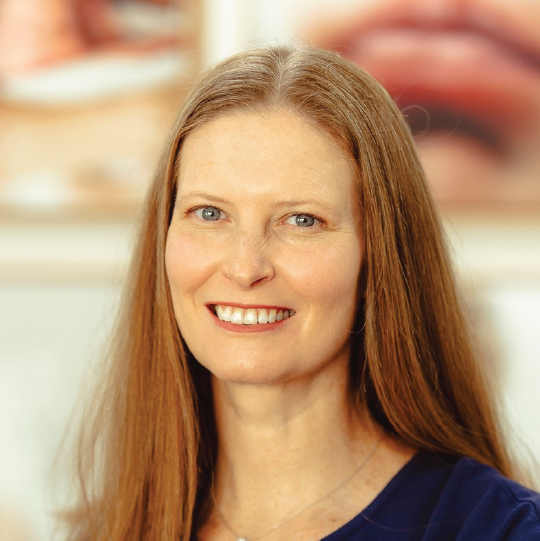
Dr. Erin Fuller
Fertility Specialist B Med (Hons), MRMed, FRANZCOG
Dr Erin Fuller offers local fertility care in Newcastle. Specialist in IVF & reproductive surgery at Lingard Hospital. Hunter region expert.
View profile
Talk to a Fertility Concierge
Have questions about becoming a solo parent or using donor sperm? Our Fertility Concierge team is here to help you understand your options and next steps.




.png "Genea logo")
.png)
