

A/Prof Gavin Sacks reflects on the highs and lows of IVF | The Today Show
Commentary by:
Key takeaways
- Fertility treatment can be emotionally challenging, particularly when patients experience repeated unsuccessful treatment cycles or uncertainty about their next steps.
- Every fertility journey is different, and treatment decisions should be guided by each person's medical history, circumstances and goals.
- Donor eggs may be an option for some patients, depending on their individual fertility circumstances and clinical assessment.
- The relationship between patients and their fertility specialists can be an important part of care, providing opportunities for communication, guidance and support throughout treatment.
- Emotional support matters throughout fertility treatment, including when patients are navigating difficult decisions or changes to their treatment plan.
A/Prof Gavin Sacks reflects on the emotional side of fertility treatment on the Today Show
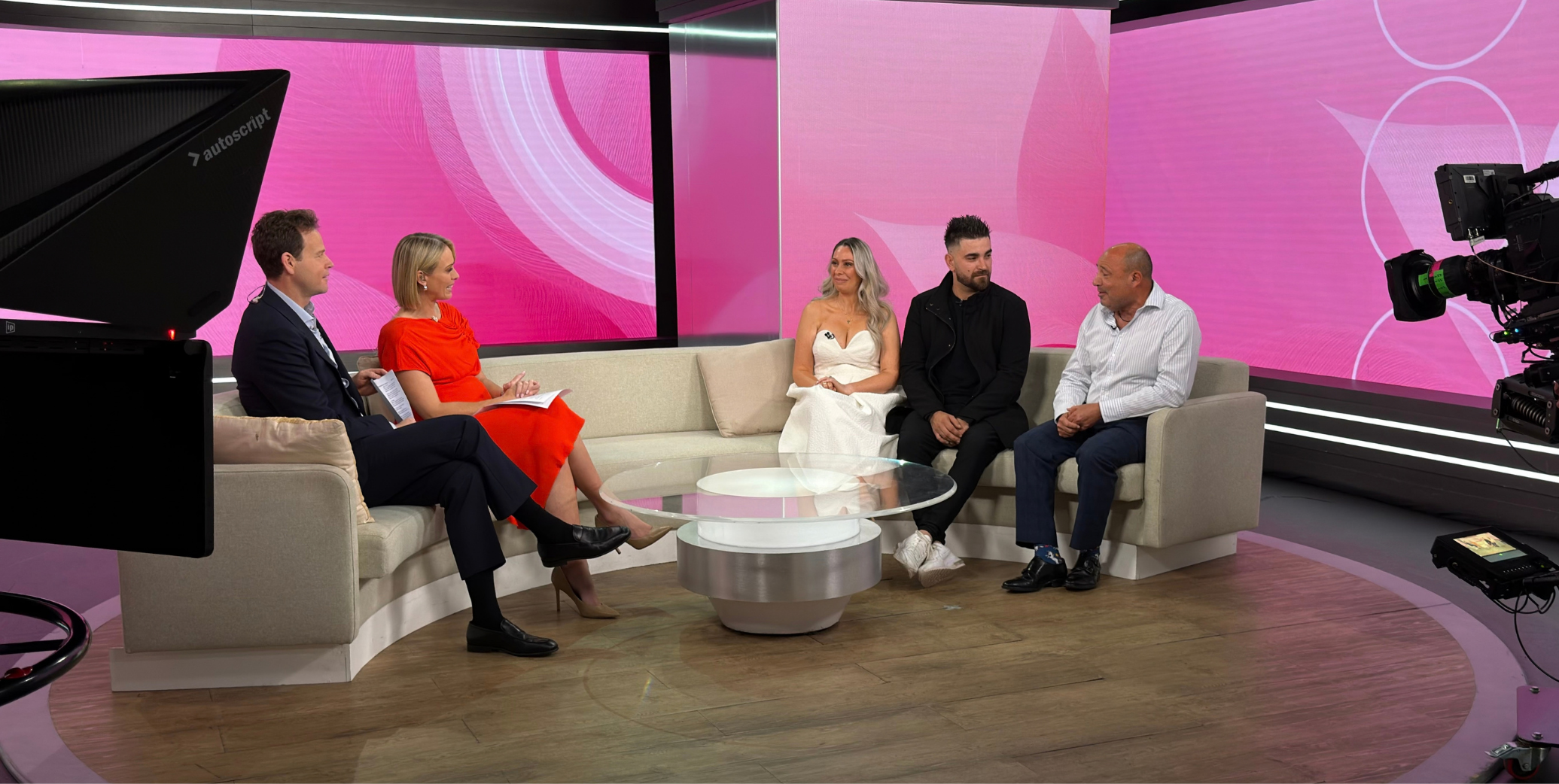
Fertility treatment can involve uncertainty, difficult decisions and a range of emotions, particularly for people undergoing treatment over an extended period.
Genea Group Medical Director and Fertility Specialist A/Prof Gavin Sacks recently joined Channel Nine's Today Show alongside Ilina Georgievski and her partner Nick to reflect on the emotional side of fertility care and the importance of the relationships formed between fertility specialists and their patients.
During the interview, Ilina shared news of her pregnancy following a decade-long fertility journey, including 14 IVF cycles. A/Prof Sacks, who has supported Ilina through several years of treatment, reflected on the emotional highs and lows of fertility care and the importance of supporting patients throughout their journey.
The conversation also acknowledged the role of Ilina's sister, who donated her eggs as part of Ilina's fertility treatment.
How can fertility treatment affect emotional wellbeing?
For some people, fertility treatment involves more than medical appointments and procedures. It can also bring periods of uncertainty, disappointment and difficult decisions about whether or how to continue treatment.
During the Today Show interview, A/Prof Sacks reflected on the emotional moments he has shared with patients throughout his career, including some of the challenges that can arise during extended periods of fertility treatment.
He described the emotional highs and lows that can accompany fertility care and spoke about the importance of developing meaningful relationships with patients.
His reflections highlight how fertility treatment can involve ongoing conversations about medical options, expectations and personal circumstances, alongside the emotional challenges patients may experience.
Why is individualised fertility care important?
Fertility treatment is not the same for everyone.
A person's treatment plan may be influenced by factors such as their age, reproductive health, medical history, previous treatment outcomes and family-building goals.
For patients who have undergone previous unsuccessful treatment cycles, reviewing their circumstances and discussing the available options with their fertility specialist can be an important part of deciding what comes next.
During the interview, A/Prof Sacks reflected on the different approaches that may be explored throughout fertility treatment.
While some patients may consider further treatment or alternative approaches, others may decide to pause or discontinue treatment. These decisions are personal and should be informed by individual medical advice, the available evidence and each patient's preferences.
What role can donor eggs play in IVF?
Donor egg treatment is one of several fertility pathways that may be considered when someone is unable to conceive using their own eggs or when using donor eggs may be appropriate for their circumstances.
In IVF using donor eggs, eggs provided by a donor are fertilised with sperm in a laboratory. If suitable embryos develop, an embryo may then be transferred to the recipient's uterus.
Donor egg treatment involves medical assessment, screening, counselling and consent requirements. The processes and legal requirements can vary depending on the circumstances and the state or territory in which treatment takes place.
As with other forms of fertility treatment, using donor eggs does not guarantee pregnancy or a live birth.
A fertility specialist can help patients understand whether this pathway may be appropriate for them, what the process involves and the factors that may influence their chance of a live birth.
Why is the patient–specialist relationship important?
One of the central themes of A/Prof Sacks' Today Show interview was the relationship between fertility specialists and the people they care for.
He reflected on the emotional moments that can arise during treatment, including conversations about treatment outcomes and the uncertainty that can accompany an extended fertility journey.
For A/Prof Sacks, developing relationships with patients and supporting them through different stages of treatment is an important part of his role.
Fertility care involves more than making clinical decisions. It also requires clear communication, an understanding of each person's circumstances and space for patients to discuss their questions and concerns.
For people navigating fertility treatment, having access to appropriate information and emotional support can help them make decisions that reflect their individual needs and goals.
What support is available during fertility treatment?
There is no single experience of fertility treatment, and the type of support someone needs may change throughout their journey.
Some people may benefit from discussing their concerns with their fertility specialist or nursing team, while others may find additional support through fertility counselling, their personal support networks or other appropriate services.
Whether someone is preparing for their first fertility appointment, considering further treatment or exploring different family-building options, understanding the pathways available can help them make informed decisions.
At Genea, fertility specialists work with patients to assess their individual circumstances, explain relevant treatment options and discuss the next steps that may be appropriate for them.
About the authors
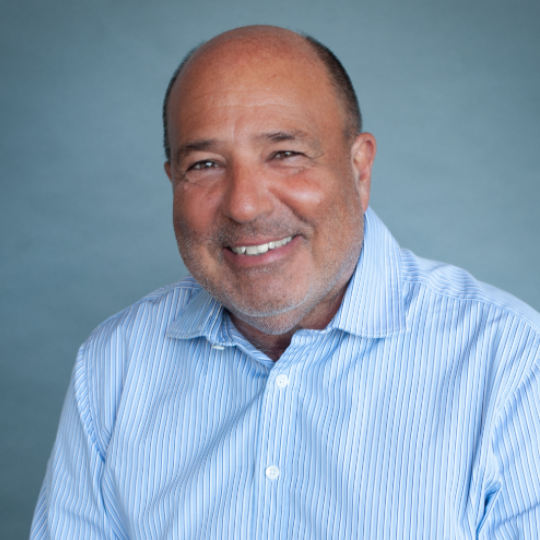
Assoc Prof Gavin Sacks
Group Medical Director and Fertility Specialist MA DPhil FRCOG FRANZCOG CCSST
A/Prof Gavin Sacks, Genea's Group Medical Director, fertility specialist with 20+ years experience and PhD in reproductive immunology, leads clinical excellence
View profile
Talk to a Fertility Concierge
Have questions about your fertility or treatment options? Our Fertility Concierge team is here to help you understand your options and next steps.
Discover