

29 June 2026: Australia’s donor sperm shortage: understanding the challenges facing intended parents | 7News Spotlight
Commentary by:
Key takeaways
- Australia is experiencing a donor sperm shortage, with limited availability and lengthy waits affecting intended parents.
- Donor family limits differ between states, creating an inconsistent regulatory landscape across Australia.
- New South Wales applies a five-family limit worldwide, affecting whether clinics can use some overseas donor sperm.
- Limited access may push people towards private donors, where screening, tracking and protections may be less consistent.
- Regulated donor programs provide important safeguards, including medical screening, record keeping and donor traceability.
- Donor-conceived people must remain central to decisions about donor limits, identity and long-term records.
- Dr Anne Clark is calling for change, including a more consistent national approach that balances access with safety and ethical care.
For many people, donor sperm offers a pathway to building the family they have long hoped for. However, access to donor sperm in Australia has become increasingly difficult, with limited supply, lengthy waits and different rules across states creating significant challenges for intended parents.
A 7NEWS Spotlight investigation examined Australia’s donor sperm shortage and the impact current regulations are having on individuals and couples seeking to conceive. The report featured patients, donor-conceived people, fertility professionals and legal experts, including Dr Anne Clark, who discussed the growing gap between the number of people seeking donor sperm and the supply available through regulated fertility clinics.
The investigation also explored concerns that limited access through clinics may lead some people to seek private donors online, where screening, record keeping and protections may not be the same as those available within regulated fertility care.
Why donor sperm is becoming harder to access
Australia has strict rules governing sperm donation. The report explains that payment for donated sperm, eggs and embryos was prohibited in 2002. Anonymous donation was also phased out, allowing donor-conceived people to access identifying information about their donor once they reach adulthood.
Donors are also subject to limits on the number of families they can help create. These limits vary between Australian states, with the report identifying a limit of five families in New South Wales and ten in Queensland.
The 7NEWS investigation focused particularly on a recent clarification in New South Wales. It reported that the five-family limit applies worldwide, rather than only within the state. This means that if an overseas donor has already helped create five families elsewhere, clinics in New South Wales may be unable to use that donor, including sperm that has already been imported and stored.
According to Dr Anne Clark, this has had a significant effect on the availability of donor sperm for patients. The report showed stored donor sperm that could not currently be used because the relevant family limit had already been reached.
Dr Clark described the situation as deeply difficult for fertility professionals who know treatment may be possible but are unable to proceed because of the current restrictions.
The impact on people hoping to build a family
The investigation shared the experiences of several Australians who had considered or pursued donor conception.
Anna Robertson had always hoped to meet a partner and have children within that relationship. As she approached 39, she made the decision to pursue motherhood independently and joined a clinic donor waitlist.
Anna initially expected to have a broad selection of donors to consider. Instead, she discovered that donor sperm was in short supply. She eventually selected a Danish donor through an Australian fertility clinic before the newer restrictions came into effect and later became pregnant.
The report also featured Tessa and Riley, who began thinking about donor sperm after Tessa chose to freeze her eggs. They were surprised to learn that the wait for Australian donor sperm could be several years. Their experience highlighted how intended parents may not become aware of donor shortages until they begin actively exploring their options.
For people considering parenthood later in life, these delays may add further complexity to an already highly personal decision.
Why some intended parents are looking online
The report found that lengthy waits, limited donor availability and cost pressures are leading some people to explore private donor groups and online platforms.
These spaces may appear to offer faster access to donors, particularly for people who feel they have exhausted their options through clinics. However, the investigation raised concerns about the lack of consistent regulation, screening and oversight within the private donor market.
Unlike regulated clinic-based donation, the report noted that private arrangements may not provide a complete medical history, formal donor records or clear tracking of how many children have been conceived from one donor.
The investigation also heard accounts of vulnerable women being pressured or coerced into situations they had not initially agreed to. Veronica England described her experience seeking a donor online and the pressure she faced to conceive through sexual intercourse rather than the artificial insemination arrangement she had expected.
Her story highlights the significant personal and safety risks that may arise when intended parents feel pushed towards unregulated options.
The importance of screening, records and traceability
Regulated donor programs are designed to provide safeguards for patients, donors and donor-conceived people. The Spotlight investigation highlighted the importance of medical screening, donor records and the ability to track the number of families created with one donor.
The risks of limited screening were illustrated through an international case involving a donor who unknowingly carried a genetic mutation associated with an increased risk of cancer. The report said the donor had fathered approximately 200 children and that several had already developed cancer.
The investigation also examined the experiences of donor-conceived adults in Queensland who discovered they may have hundreds of half-siblings connected to one donor.
Donor 59 reportedly donated approximately 350 times over five years, with his sperm divided into 1,799 vials. Some donor-conceived people featured in the report believe there may be between 400 and 600 half-siblings, or potentially more.
Their experiences demonstrate why family limits, accurate records and traceability are important. They also highlight the need to consider the long-term interests of donor-conceived children, who grow into adults with their own questions, relationships and feelings about the circumstances of their conception.
Dr Anne Clark on Australia’s donor sperm regulations
Dr Anne Clark has worked in fertility care and donor conception for decades. In the report, she described the current donor shortage as one of the most difficult periods she has experienced.
She explained that clinics may have the clinical ability and stored donor sperm needed to help patients, yet still be unable to proceed because of regulatory limits.
Dr Clark warned that intended parents may respond by giving up, travelling overseas or seeking private donors. She questioned whether restrictions intended to make donor conception safer may instead encourage some people to enter unregulated environments where there are no equivalent family limits.
She also called for Australian governments to reconsider the current approach and explore ways to encourage more sperm donation while maintaining appropriate protections for donors, recipients and donor-conceived people.
Calls for a consistent national approach
The report highlighted that donor sperm regulations differ across Australian states and that there is no single national system tracking all donors and donor-conceived families.
Fertility experts featured in the investigation called for a unified national approach. They pointed to the United Kingdom, where a national registry maintains donor information and traceability, as one possible model for greater consistency.
The aim is not to remove safeguards. Rather, the discussion centres on finding a better balance between responsible regulation and timely access to donor sperm through safe, regulated fertility services.
Any future approach would need to consider the needs and rights of everyone involved: intended parents, donors and donor-conceived people.
Keeping donor conception safe and ethical
The experiences shared in the Spotlight investigation show why donor conception needs careful consideration and appropriate support.
For intended parents, the desire to have a child can be incredibly strong. Limited options and long waits can create added pressure, particularly when age, fertility or personal circumstances influence the time available to pursue parenthood.
At the same time, decisions made during donor conception can have lifelong implications for the child who is born. Donor screening, family limits, accurate records and access to identifying information all contribute to a safer and more transparent process.
The challenge facing Australia is how to protect these safeguards while ensuring regulations do not make treatment so difficult or costly that people feel they have no alternative but to seek unregulated donors.
Through Dr Anne Clark’s perspective and the experiences of intended parents and donor-conceived adults, the 7NEWS Spotlight investigation raises important questions about access, safety and the future of donor conception in Australia.
About the authors
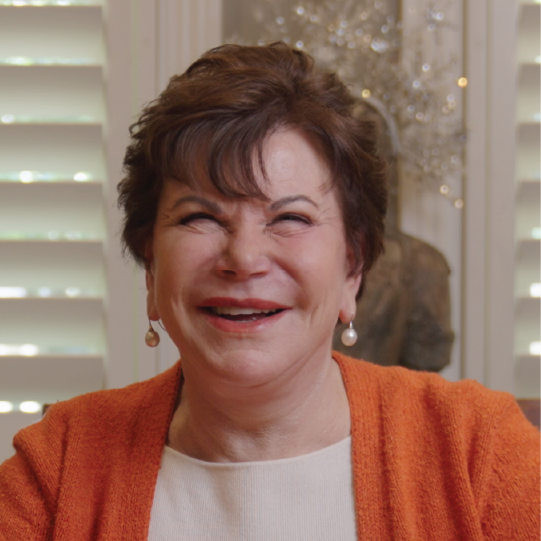
Dr. Anne Clark
CREI Fertility Specialist MPS, MBChB, FRCOG, FRANZCOG, APP, CREI
Dr Anne Clarke, Medical Director of Fertility First, leading fertility expert. CREI-certified pioneer in IVF, fertility preservation & donor programs.
View profile
Talk to a Fertility Concierge
Considering donor sperm as part of your path to parenthood? Our Fertility Concierge team can answer your questions, explain your options and help you understand your next steps.



.png "Genea logo")
.png)
