

29 July 2026: Saliva test for endometriosis lacks real-world evidence, Australian experts say | ABC News
Insights from:
Key takeaways
- A saliva test for endometriosis shows promise, but Australian experts say more real-world evidence is needed before it can be introduced into clinical practice.
- The test is not designed to replace current diagnostic pathways, according to A/Prof Alex Polyakov.
- A transvaginal ultrasound remains the recommended first-line investigation for people with symptoms of endometriosis in Australia.
- A normal ultrasound does not necessarily rule out endometriosis, and treatment decisions should be guided by a patient's symptoms and individual circumstances.
- Managing symptoms early is important, with experts recommending that pelvic pain and fertility concerns are assessed and treated without waiting for a definitive diagnosis.
Saliva test for endometriosis: what patients should know
A saliva test for endometriosis has attracted attention online, with its manufacturer claiming it may help identify the condition without surgery. While the technology has shown promising results in early studies, Australian experts say more real-world evidence is needed before it can be introduced into clinical practice.
In an interview with ABC News, Genea Melbourne City Medical Director A/Prof Alex Polyakov explained that while the saliva test is a promising development, it is not designed to be used as a standalone diagnostic test. He emphasised the importance of assessing and managing a patient's symptoms, including pelvic pain and fertility concerns, regardless of whether endometriosis can be identified on imaging.
What is the endometriosis saliva test?
The Ziwig Endotest analyses tiny non-coding RNA molecules called microRNAs and uses artificial intelligence to identify patterns associated with endometriosis.
Its manufacturer claims the test can correctly identify 97 per cent of people with endometriosis and 93 per cent of people without the condition. However, these findings are based on smaller manufacturer-funded studies, and larger real-world trials are now underway in France and the United Kingdom to determine how the test performs in everyday clinical practice.
Why Australian experts are taking a cautious approach
While the prospect of a simple, non-invasive test for endometriosis is encouraging, Australian experts say more evidence is needed before it becomes part of routine clinical practice.
Speaking to ABC News, A/Prof Alex Polyakov said the saliva test provides a statistical assessment rather than a definitive diagnosis.
"It's a probability test."
"It combines all the different markers to provide a statistical assessment."
Because the test estimates the likelihood of endometriosis rather than identifying where the condition is located, he explained that it is not designed to be used as a standalone diagnostic test. Even if the test suggests endometriosis is likely, further clinical assessment would still be required.
How is endometriosis diagnosed today?
Endometriosis is a chronic, inflammatory condition where tissue similar to the lining of the uterus grows outside the uterus. It affects around one in seven women in Australia and can affect fertility.
Historically, laparoscopic surgery was considered the gold standard for diagnosing endometriosis. However, updated Australian guidelines now state that laparoscopic surgery is not required as the first-line option for diagnosis. Instead, people presenting with symptoms suggestive of endometriosis are generally recommended to have a transvaginal pelvic ultrasound as an initial investigation.
Why specialist ultrasound matters
A transvaginal pelvic ultrasound is currently the recommended first-line investigation for people with symptoms of endometriosis.
However, identifying endometriosis on ultrasound requires specialist expertise, and not all sonographers have advanced training in recognising the condition. Australian experts are also working to establish consistent standards for how endometriosis is assessed and reported on ultrasound to help improve patient care.
A normal ultrasound doesn't rule out endometriosis
One of the key messages highlighted by A/Prof Polyakov is that imaging is only one part of the clinical picture.
"If you don't see anything on ultrasound, that doesn't mean that there is no endometriosis."
Rather than relying on imaging alone, patients' symptoms and individual circumstances should continue to guide treatment decisions.
"The next step is you treat the symptoms. You don't necessarily need surgery."
Treatment shouldn't wait for a diagnosis
Many Australians wait six to eight years for an endometriosis diagnosis. During this time, symptoms such as pelvic pain and fertility concerns can continue to affect their daily lives.
As highlighted in the ABC News article, treatment for symptoms should begin even before a definitive diagnosis is confirmed. People commonly seek medical advice because of pelvic pain or fertility concerns, and these symptoms should be assessed and managed as early as possible.
Endometriosis and fertility
Endometriosis can affect fertility, although the impact varies from person to person.
For people experiencing fertility concerns, a fertility specialist can assess for endometriosis alongside other possible contributing factors and recommend appropriate investigations based on a patient's symptoms, medical history and fertility goals.
As A/Prof Polyakov explained, even when endometriosis is not visible on ultrasound, a patient's symptoms and fertility concerns should continue to guide clinical decision-making.
When should you seek medical advice?
Consider speaking with your GP or a fertility specialist if you are experiencing:
- Persistent pelvic pain
- Painful, heavy or irregular periods
- Difficulty conceiving
- Symptoms that may be associated with endometriosis
Early assessment can help identify the cause of your symptoms and determine the most appropriate investigations and management options.
About the authors
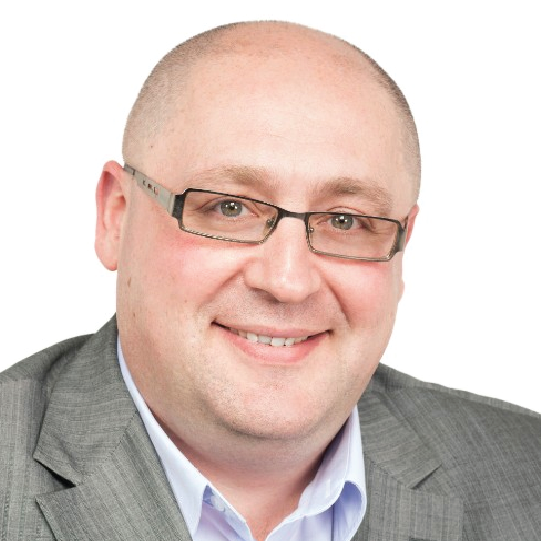
Dr. Alex Polyakov
Medical Director Melbourne City and Fertility Specialist MBBS, MClinEpid, MReproMed, MHlth&MedLaw, MBioeth, GradCertEBM, FACLM, FANZCOG
Melbourne Fertility Specialist A/Prof Alex Polyakov at Genea. Complete fertility care from IVF to delivery, combining clinical expertise & academic research.
View profile
Talk to a Fertility Concierge
Have questions about endometriosis or your fertility? Our Fertility Concierge team can provide information, answer your questions and help you take the next step.



.png "Genea logo")
.png)
