

1. Natural selection
Embryos that appear healthy on Day 3 may have chromosomal or developmental abnormalities that prevent them from reaching the blastocyst stage. Extended culture acts as a natural filter, as embryos that reach Day 5/6 have already demonstrated a key developmental capacity and are more likely to implant successfully.
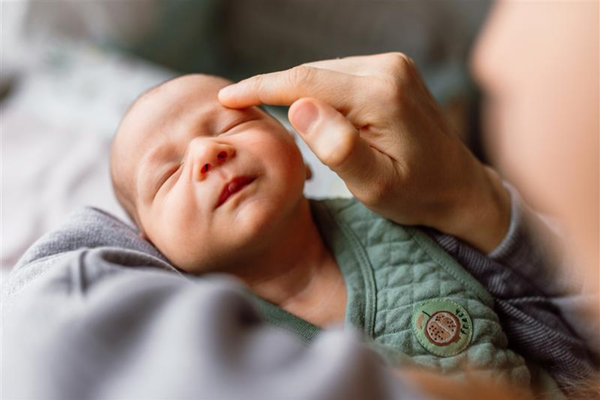
Does extended culture risk losing embryos?
Some embryos that reach Day 3 will not develop into a blastocyst in the laboratory. For patients with fewer embryos, this is an understandable concern, and your Genea specialist will discuss this with you based on your individual situation.
For most patients, however, the embryos that don't reach Day 5/6 in culture would also be unlikely to implant successfully if transferred earlier. Extended culture reveals, rather than causes, that outcome.
Genea's ongoing investment in laboratory technology, including the Geri® time-lapse incubator developed by Genea Biomedx, is specifically designed to optimise conditions for blastocyst development and reduce risks associated with extended culture.
What is single embryo transfer?
Single embryo transfer (SET) means transferring one embryo per cycle rather than two or more. Genea was an early adopter of this approach in Australia, and it remains central to our IVF approach today.
For most patients, transferring two embryos does not meaningfully increase the chance of having a baby, but it does significantly increase the chance of a twin pregnancy. And while a twin pregnancy can feel like a welcome outcome, it carries substantially higher health risks for both mother and babies than a single pregnancy.
Does single embryo transfer lower my chances of success?
Elective single embryo transfer combined with blastocyst-stage selection does not lower the cumulative chance of a live birth. Here's why.
If a first transfer is unsuccessful, any remaining frozen embryos can be thawed and transferred in a subsequent cycle. The cumulative live birth rate over two sequential single embryo transfers is comparable to one double embryo transfer, but with a much lower risk of twins.1
This is one of the reasons Day 5/6 transfer and single embryo transfer are part of the IVF process at Genea. Better embryo selection at the blastocyst stage gives us the confidence to transfer one embryo, because we've chosen the one most likely to implant.
FAQs
Blastocyst transfer and single embryo transfer as a combined approach
These two practices reinforce each other, as extended blastocyst culture provides the embryology team with information needed to make a well-grounded single-embryo selection. That confidence in selection is part of what makes it clinically appropriate and safe to transfer just one embryo.
When preimplantation genetic testing (PGT) is used alongside blastocyst biopsy at Day 5/6, this may further increase confidence in embryo selection, particularly for patients at higher risk of chromosomal abnormalities or those who have experienced recurrent implantation failure or pregnancy loss.
Find out more
- Learn about the Geri® time-lapse incubator
- Read about embryo culture media, the vital solution that nurtures eggs, sperm, and embryos outside the body
- Everything you need to know about IVF
References
- McArthur, S. J., Leigh, D., Marshall, J. T., de Boer, K. A., & Jansen, R. P. S. (2005). Pregnancies and live births after trophectoderm biopsy and preimplantation genetic testing of human blastocysts. Fertility and Sterility, 84(6), 1628–1636. https://doi.org/10.1016/j.fertnstert.2005.05.063.
- Genea. (2023). Frozen Embryo Transfer Success Rates: Clinical Pregnancy and Live Birth Rates by Age Group, January 1 - December 31, 2022. Internal clinical data report. Sydney: Genea Fertility Clinics. Note: Data represents autologous cycles only, includes all PGT-tested embryos, excludes RPA, Fertility SA and Fertility First clinics
.png "Genea logo")
.png)
