

24 July 2026:‘Like being a detective’: Why doctors wanting to improve health outcomes for women entered the fertility industry | Women's Agenda
Key takeaways
- Every fertility journey is unique, with treatment tailored to each person's individual circumstances.
- Research and innovation continue to advance fertility care, improving understanding of fertility and reproductive medicine.
- Genea's world-first NK cell study aims to investigate the immune system's role in repeated failed embryo transfers.
- Dr Julia Barton and Dr Rose McDonnell highlight the importance of combining scientific expertise with compassionate, personalised care.
- Listening to patients and understanding their experiences is an important part of supporting people through fertility treatment.
- Mentoring future fertility specialists helps strengthen the future of women's health and fertility care.
In this Women's Agenda feature, Genea Perth Co-Medical Directors Dr Julia Barton and Dr Rose McDonnell share what drew them to fertility medicine and how research, innovation and compassionate care continue to shape the patient experience.
The article explores the unique challenges and rewards of fertility medicine, from understanding why pregnancy does not always occur as expected to supporting patients through every stage of treatment. It also highlights the important role research plays in advancing fertility care, including Genea's world-first clinical trial investigating whether natural killer (NK) cell activity may help explain repeated failed embryo transfers.
Alongside these advances in science, Dr Barton and Dr McDonnell reflect on the importance of listening to patients, tailoring care to each individual and supporting the next generation of fertility specialists.
A career dedicated to helping people grow their families
Dr Julia Barton describes fertility medicine as a combination of science, problem-solving and personalised care. In the Women's Agenda feature, she compares her role to that of a detective, explaining that every patient presents with a unique story and a different set of circumstances.
Rather than following a single pathway, fertility specialists work to understand the factors that may be affecting each person's fertility and consider what approaches may help improve their chances of achieving a pregnancy.
Dr Barton explains that one of the most rewarding aspects of her work is supporting patients who have experienced unsuccessful treatment elsewhere and helping develop a plan tailored to their individual needs. She attributes this to a combination of clinical experience, personalised care and the scientific expertise that supports treatment at Genea.
The article also highlights how fertility care has continued to evolve throughout Dr Barton's career. From advances in genetic testing to technologies such as the Grow™ by Genea app, innovation continues to improve both the patient experience and the understanding of reproductive medicine.
Research offering hope for future patients
Innovation continues to play an important role in fertility care, and the Women's Agenda feature explores one of Genea's latest research initiatives.
Genea is recruiting up to 1,600 IVF patients who have experienced repeated failed embryo transfers to participate in a world-first clinical trial investigating the role of natural killer (NK) cell activity in implantation.
Led by Associate Professor Gavin Sacks, the study will provide eligible patients with access to specialised NK cell activity testing to better understand whether differences in immune function may contribute to repeated implantation failure.
As Dr Barton explains, the immune system plays an important role in establishing pregnancy. However, more prospective research is needed to determine whether NK cell activity can help explain why implantation sometimes does not occur despite otherwise favourable circumstances.
The study aims to build a stronger evidence base that may help guide future fertility care for patients who have experienced repeated unsuccessful embryo transfers.
Dr Rose McDonnell also highlights the importance of making research accessible to patients in Western Australia, explaining that local participation allows patients to contribute to research without travelling interstate or overseas while helping advance fertility care internationally.
Supporting women through every stage of fertility treatment
The Women's Agenda article also explores how the fertility profession has evolved over time.
Reflecting on her own career, Dr Barton describes how she spent many years as the only female specialist within an otherwise male team. Today, she is excited to be part of a predominantly female team and believes the diversity of perspectives strengthens patient care.
Dr McDonnell shares that her passion for women's health began during her time in emergency medicine, where she observed that women's health concerns were not always prioritised. Those experiences inspired her to pursue reproductive endocrinology and fertility medicine, with a focus on improving equitable access to care.
She also speaks about the importance of mentoring future doctors and modelling communication, compassion and patient-centred care for the next generation of fertility specialists.
Compassion, communication and personalised care
Throughout the feature, both specialists emphasise that fertility care extends beyond clinical treatment.
Dr McDonnell explains that patients often describe fertility treatment as feeling like a game of snakes and ladders, with progress rarely following a straight path. She believes it is important for fertility specialists to recognise the physical, emotional, social and financial challenges that can accompany treatment and to take the time to understand each patient's individual circumstances.
Listening carefully, acknowledging each person's experience and creating space for patients to express how they are feeling are central to the care she strives to provide.
Similarly, Dr Barton highlights that no two fertility journeys are the same. Every patient arrives with their own history, experiences and goals, making personalised care an essential part of helping individuals and couples navigate treatment.
Together, their reflections highlight how science, research and compassion work hand in hand to support patients throughout every stage of their fertility journey.
About the authors
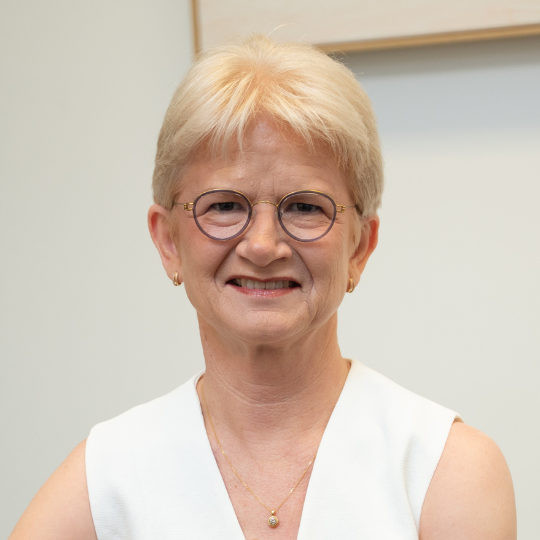
Dr Julia Barton
Co-Medical Director Perth and Fertility Specialist MBBS, FRANZCOG
Dr Julia Barton, Co-Medical Director at Genea Fertility in Perth. With 25+ years expert in fertility, pregnancy loss & holistic IVF care. Based in Wembley.
View profile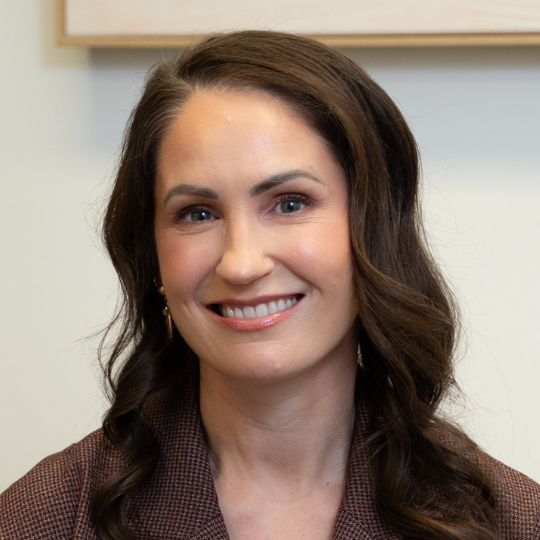
Dr. Rose McDonnell
Co-Medical Director Perth and Fertility Specialist MBBS FRANZCOG BSci (Med Sci) MRMed
Dr Rose McDonnell is a highly qualified obstetrician and gynaecologist with advanced expertise in laparoscopic pelvic surgery, fertility medicine, and endometri
View profile
Talk to a Fertility Concierge
Every fertility journey is different. Whether you're planning ahead, trying to conceive or considering fertility treatment, our Fertility Concierge team can provide personalised guidance, answer your questions and help you understand your options.



.png "Genea logo")
.png)
